

Ergonomic Practices for Construction Workers: Reducing Strain and Injury.
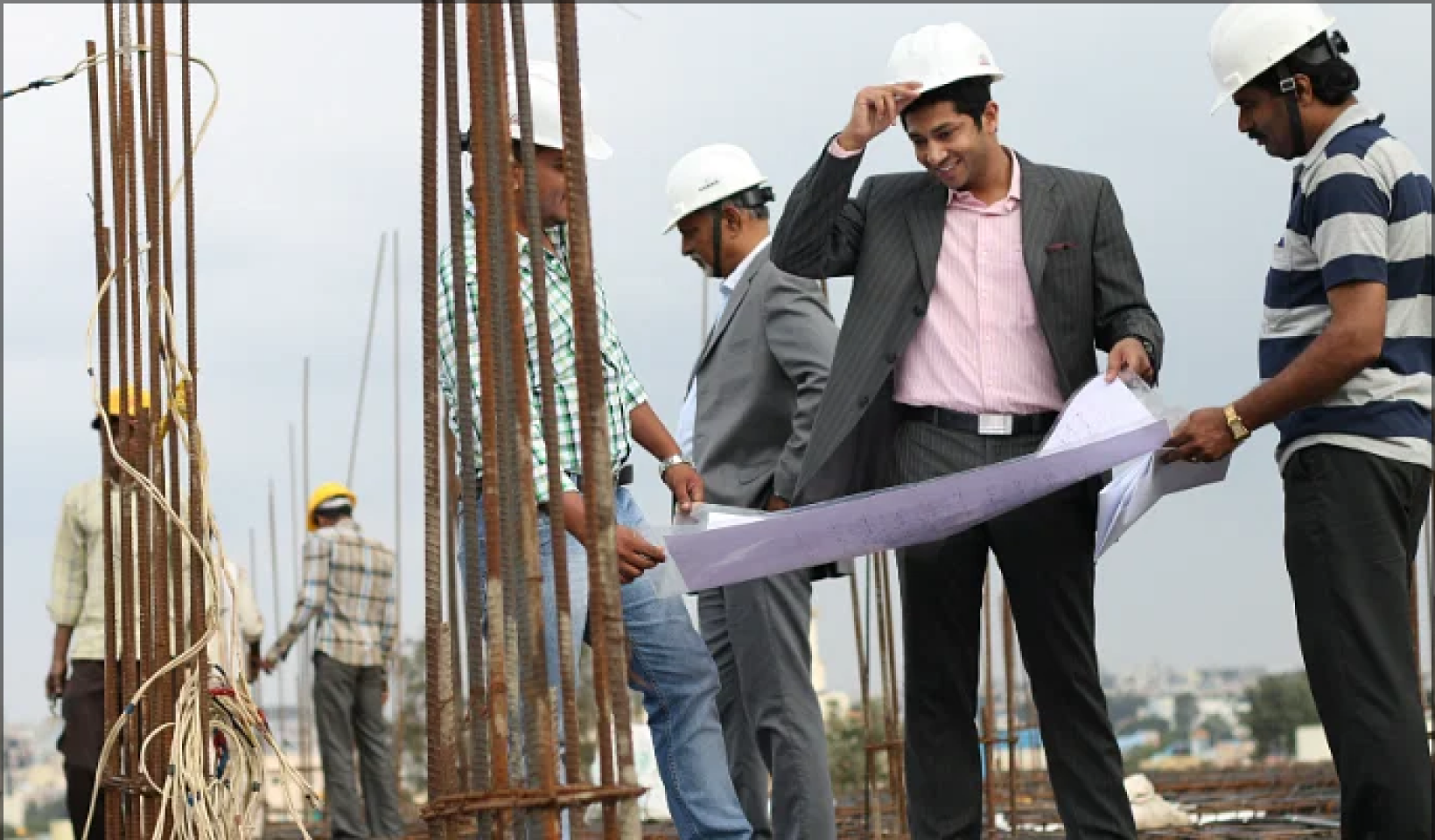
Ergonomics is the science of designing work tasks, equipment, and workspaces to fit the worker’s physical capabilities and limitations. In construction, where tasks often involve heavy lifting, repetitive motions, awkward postures, and prolonged periods of physical exertion, ergonomics plays a crucial role in:
- Reducing Injuries: Proper ergonomic practices can significantly lower the risk of musculoskeletal disorders (MSDs), which are common in construction work due to repetitive movements and heavy lifting.
- Improving Productivity: Workers who are comfortable and free from pain can perform their tasks more efficiently, leading to increased productivity and job satisfaction.
- Enhancing Safety: Ergonomic practices help prevent accidents and injuries, contributing to a safer work environment.
- Promoting Long-term Health: By reducing strain and injury, ergonomics helps maintain the long-term health and well-being of construction workers, allowing them to have longer and more sustainable careers.
Strategies for Reducing Strain and Injury
To mitigate the ergonomic risks associated with construction work, several strategies can be implemented:
1. Proper Lifting Techniques
Educating workers on proper lifting techniques is crucial to prevent back injuries. Key guidelines include:
- Lift with the Legs: Use the strength of the legs, not the back, to lift heavy objects.
- Keep the Load Close: Hold the load close to the body to reduce strain on the back.
- Avoid Twisting: Turn the whole body, not just the torso, to avoid twisting the spine.
- Get Assistance: Use mechanical aids or ask for help when lifting heavy or awkward objects.
2. Ergonomic Tools and Equipment
Using ergonomically designed tools and equipment can reduce strain and improve comfort. Examples include:
- Anti-Vibration Tools: Tools designed to minimize vibration exposure can prevent HAVS.
- Adjustable Workstations: Workstations that can be adjusted to the worker’s height and reach reduce awkward postures.
- Power Tools: Using power tools instead of manual tools for repetitive tasks can reduce repetitive strain injuries.
3. Job Rotation and Breaks
Implementing job rotation and regular breaks can help reduce the risk of repetitive strain injuries and fatigue:
- Rotate Tasks: Rotate workers between different tasks to prevent prolonged exposure to repetitive motions or awkward postures.
- Scheduled Breaks: Encourage workers to take regular breaks to rest and recover from physically demanding tasks.
4. Training and Education
Providing training and education on ergonomic practices is essential for raising awareness and promoting safe work habits:
- Ergonomics Training: Offer training sessions on ergonomic principles, proper lifting techniques, and the use of ergonomic tools.
- Safety Workshops: Conduct workshops and seminars on workplace safety and injury prevention.
5. Workplace Modifications
Making modifications to the workplace can significantly improve ergonomics:
- Optimize Workflows: Design workflows to minimize unnecessary movements and reduce the need for awkward postures.
- Provide Adequate Lighting: Ensure work areas are well-lit to reduce eye strain and awkward postures.
- Use Supportive Flooring: Install anti-fatigue mats in areas where workers stand for long periods to reduce discomfort and fatigue.