

Case Studies: Successful Turnkey Projects and What We Learned
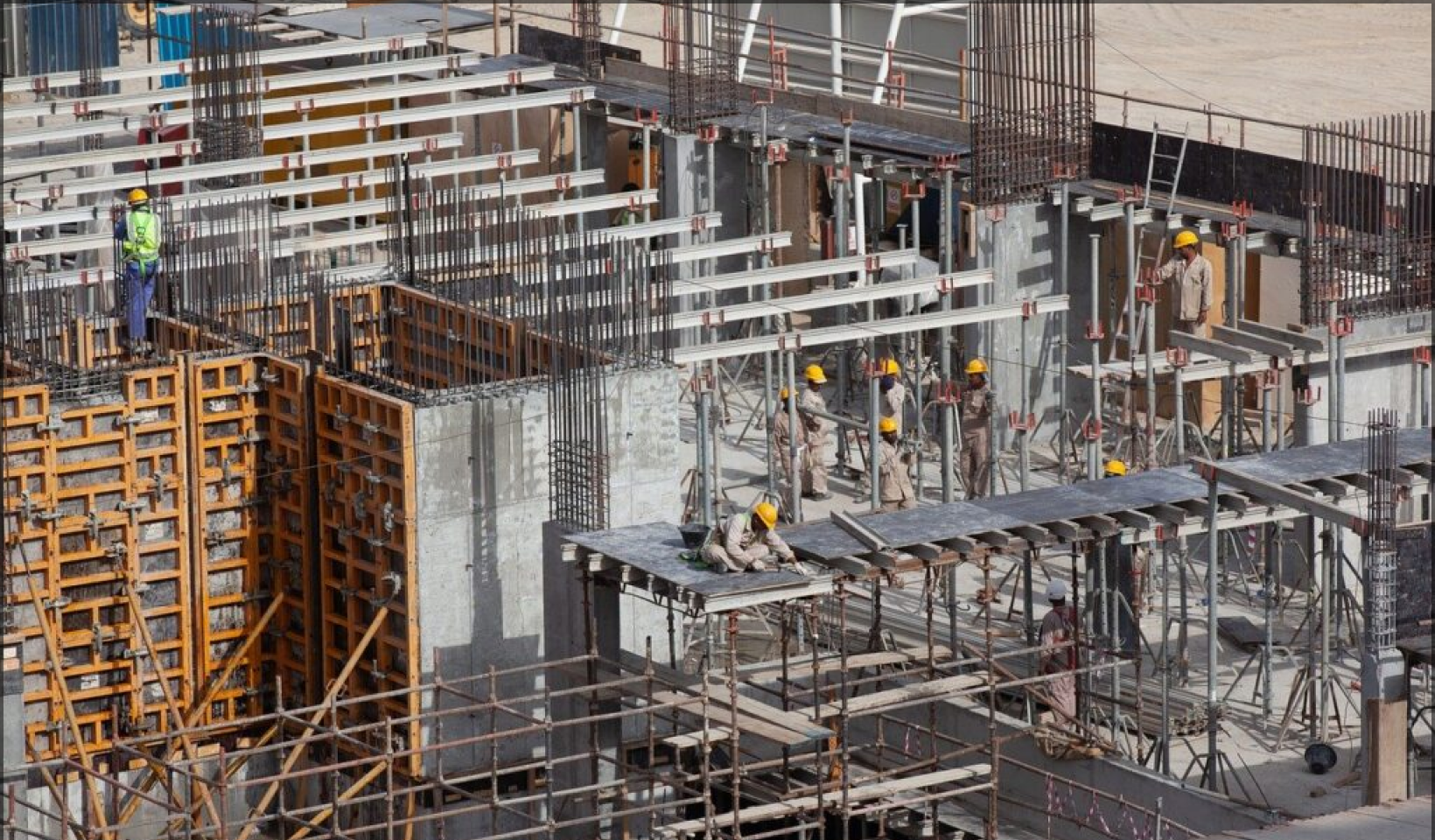
Case Study 1: Residential Apartment Complex
Project Overview: A real estate developer hired a turnkey contractor to design and build a high-rise residential apartment complex with 200 units, including amenities such as a swimming pool, gym, and community hall.
Challenges:
- Tight urban location with limited space for construction activities.
- Need for sustainable design to meet local environmental regulations.
- High expectations for quality and luxury finishes.
Outcome: The project was completed on time and within budget, meeting all quality and sustainability standards. The apartments were fully furnished and ready for occupancy, and the client reported high levels of tenant satisfaction.
Lessons Learned:
- Effective Urban Planning: The contractor’s expertise in urban planning and efficient use of space was crucial.
- Sustainable Practices: Early integration of sustainable design principles can meet regulatory requirements and enhance marketability.
- Attention to Detail: High-quality finishes and attention to detail in amenities can significantly enhance client and end-user satisfaction.
Case Study 2: Industrial Manufacturing Facility
Project Overview: A manufacturing company required a turnkey contractor to design and build a 100,000-square-foot manufacturing facility, including advanced automation systems and storage solutions.
Challenges:
- Integration of sophisticated machinery and automation systems.
- Compliance with stringent safety and environmental regulations.
- Tight timeline to begin production.
Outcome: The facility was completed ahead of schedule and under budget. The integration of automation systems was seamless, and the plant met all safety and environmental standards, enabling the company to start production without delay.
Lessons Learned:
- Technology Integration: Early and continuous collaboration between construction and technology teams ensures seamless integration of advanced systems.
- Regulatory Compliance: Proactive management of regulatory requirements can prevent delays and additional costs.
- Project Scheduling: Effective scheduling and management can result in early completion and cost savings.
Case Study 3: Hospital and Medical Center
Project Overview: A healthcare provider engaged a turnkey contractor to construct a state-of-the-art hospital and medical center, including specialized operating rooms, diagnostic facilities, and patient wards.
Challenges:
- High standards for hygiene and safety in medical facilities.
- Complex requirements for medical equipment installation and utility systems.
- Need for a patient-friendly design with natural light and green spaces.
Outcome: The hospital was delivered on time and within budget, meeting all healthcare standards. The design incorporated ample natural light and green spaces, creating a healing environment for patients. The medical equipment installation was flawless, ensuring the facility was fully operational from day one.
Lessons Learned:
- Healthcare Standards: Adherence to healthcare construction standards is critical for safety and functionality.
- Patient-Centered Design: Designing with the patient experience in mind can improve outcomes and satisfaction.
- Coordination with Suppliers: Early coordination with medical equipment suppliers ensures proper installation and functionality.
Case Study 4: Luxury Hotel and Resort
Project Overview: A hospitality company hired a turnkey contractor to develop a luxury hotel and resort, including high-end rooms, restaurants, conference facilities, and recreational amenities like a spa and golf course.
Challenges:
- High expectations for luxury and exclusivity.
- Coordination of various specialized contractors and suppliers.
- Need for a unique design to differentiate the property in a competitive market.
Outcome: The hotel and resort were completed on schedule and became an instant success, attracting high-end clientele. The unique design and luxury finishes exceeded client expectations and set a new standard in the local market.
Lessons Learned:
- Luxury Standards: Meeting and exceeding luxury standards requires attention to detail and high-quality materials.
- Design Innovation: Unique and innovative design can create a competitive edge in the hospitality market.
- Supplier Coordination: Effective coordination with specialized contractors and suppliers is essential for high-end projects.